

01
Pressure or tightness
Chest pressure, tightness, heaviness, burning, or discomfort may need a heart-focused evaluation.
Cardiology evaluation for chest discomfort, pressure, tightness, or symptoms that may be related to the heart.
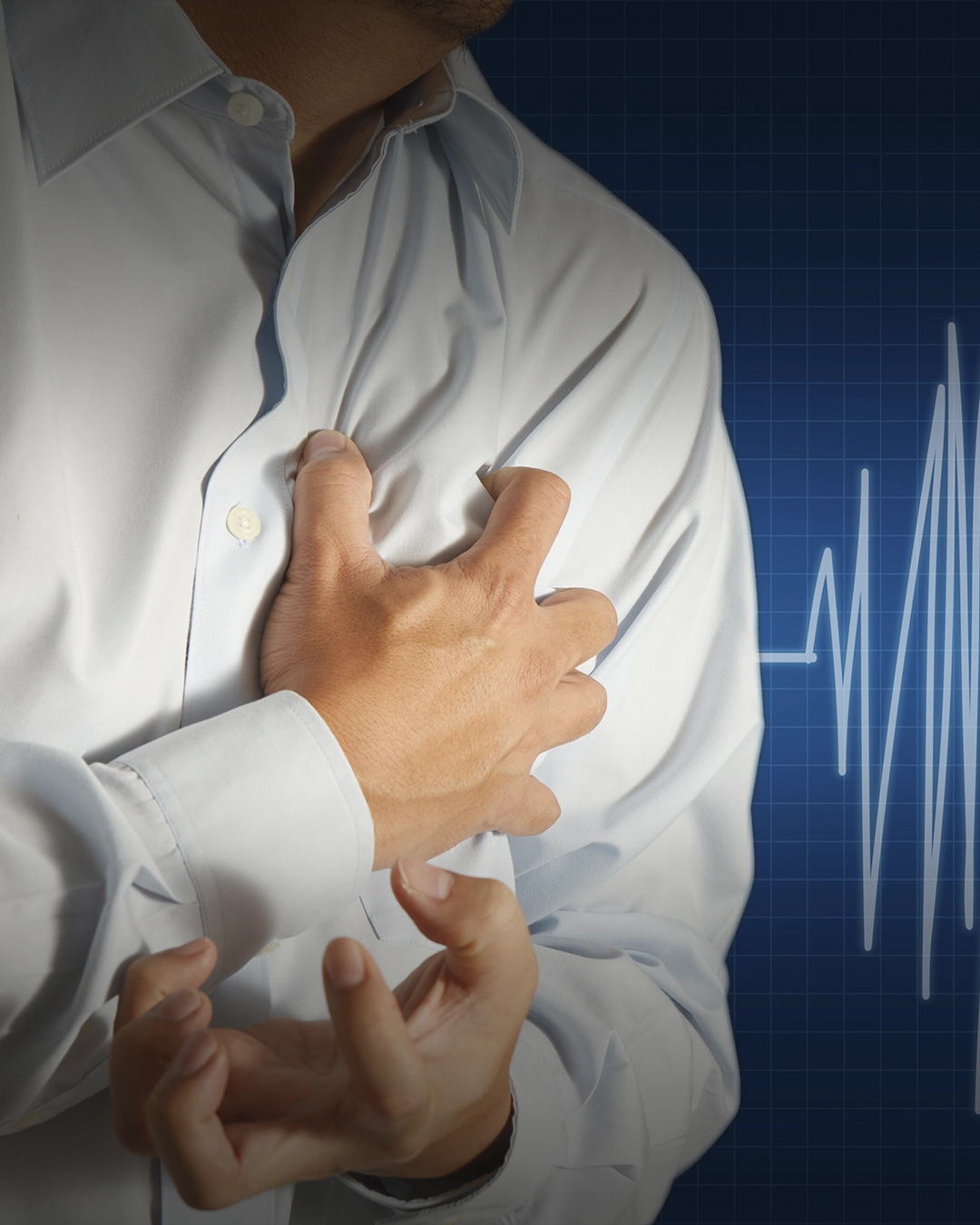

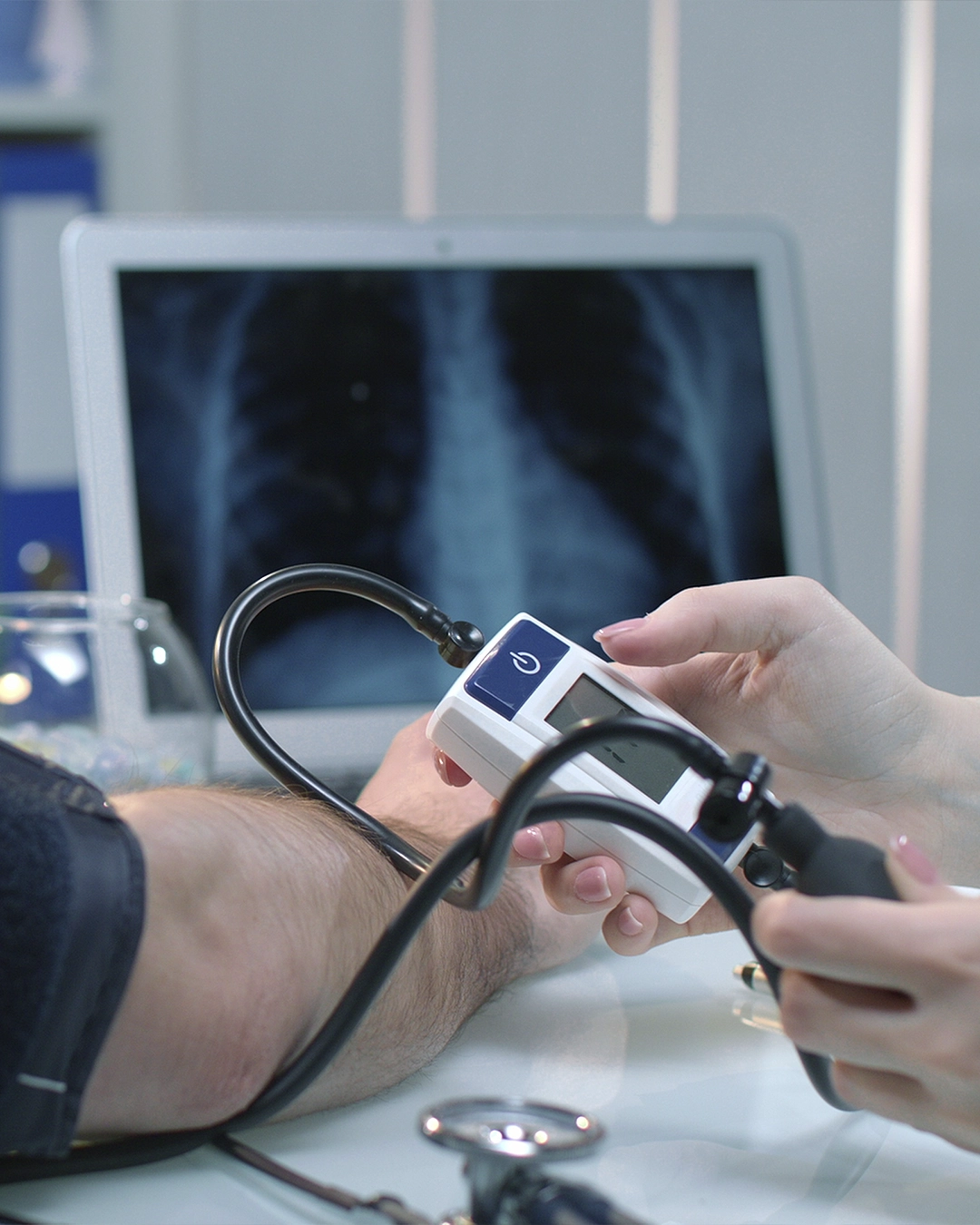
Chest discomfort can have many causes, but some symptoms may involve the heart. A cardiology evaluation can help review the pattern of symptoms, risk factors, and whether additional testing or urgent care is needed.
Evaluation for chest pressure, discomfort, or heart-related symptoms.
Chest pressure, tightness, heaviness, burning, or discomfort may need a heart-focused evaluation.
Symptoms that appear during walking, stairs, exercise, or stress should be discussed with a medical professional.
High blood pressure, diabetes, cholesterol, smoking history, or family history may increase cardiovascular risk.
If you are experiencing severe chest pain, sudden shortness of breath, fainting, stroke symptoms, or a medical emergency, call 911 immediately.
The doctor may ask when symptoms started, what they feel like, how long they last, and what triggers or relieves them.
Your personal and family history, blood pressure, medications, and prior results may be reviewed.
Depending on the case, EKG or other cardiac testing may be recommended.
Severe chest pain, chest pain with shortness of breath, fainting, sweating, weakness, or symptoms that feel urgent should be treated as a medical emergency. Call 911 immediately.
Yes. A cardiologist can evaluate symptoms, review risk factors, and recommend next steps such as testing, monitoring, or follow-up care.
Call the office to request an appointment or ask whether this type of cardiology evaluation may be appropriate for your concern.