

01
Abnormal EKG
An abnormal EKG may need cardiology follow-up to understand what the finding may mean.
Diagnostic cardiac testing support for evaluating heart rhythm, symptoms, risk factors, and cardiovascular health.
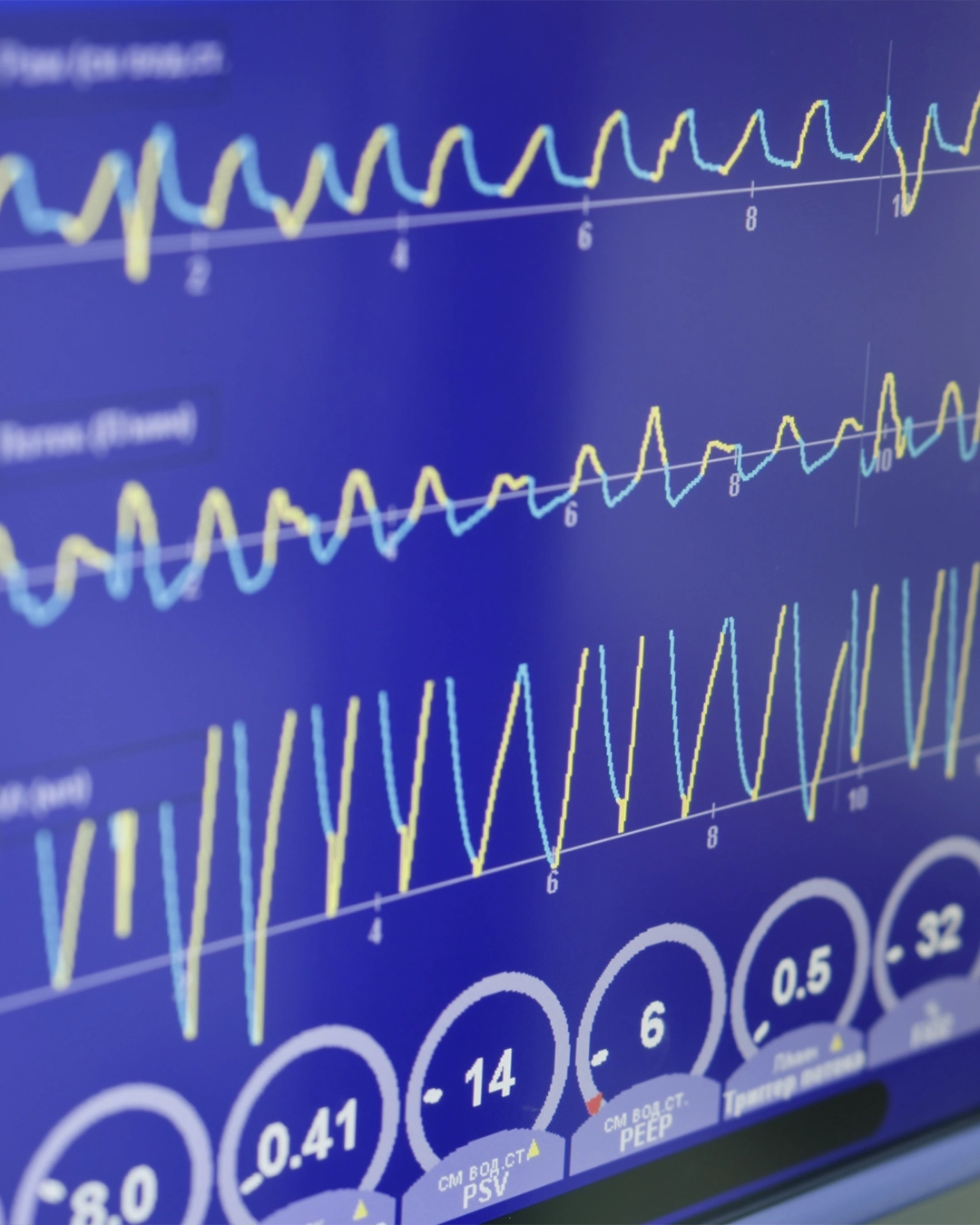
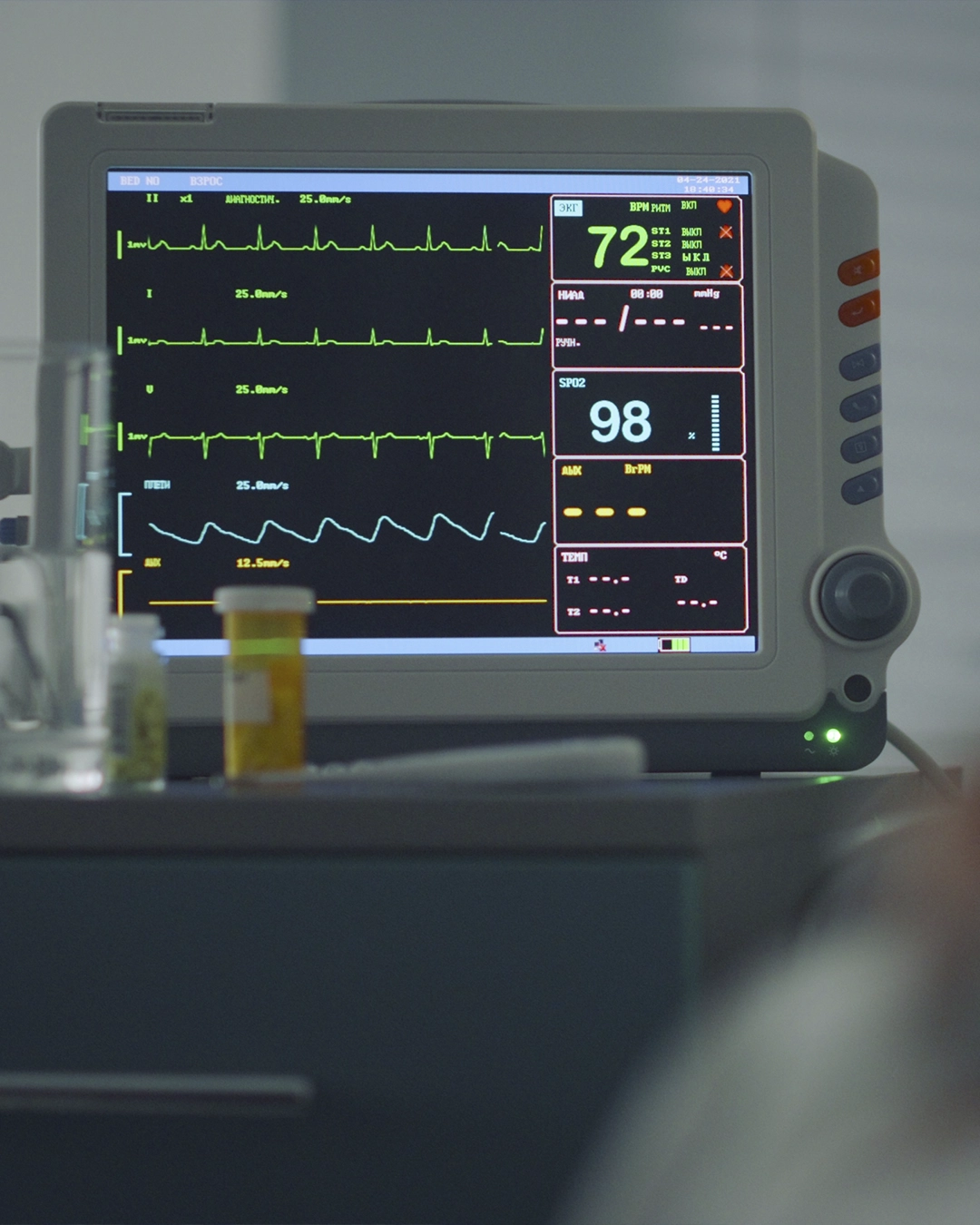

EKG and cardiac testing may help evaluate heart rhythm, symptoms, risk factors, or abnormal findings. A cardiology visit can help determine which testing may be appropriate based on your concerns.
Testing support for heart rhythm and cardiovascular evaluation.
An abnormal EKG may need cardiology follow-up to understand what the finding may mean.
Palpitations, skipped beats, or irregular rhythms may require additional evaluation.
Testing may be recommended for chest discomfort, shortness of breath, dizziness, or fatigue with activity.
If you are experiencing severe chest pain, sudden shortness of breath, fainting, stroke symptoms, or a medical emergency, call 911 immediately.
Symptoms, history, medications, and previous results may be reviewed before recommending testing.
Depending on the concern, EKG or other cardiac testing may be recommended.
The goal is to explain what the results may mean and what next steps may be needed.
An EKG records the electrical activity of the heart and may help identify rhythm concerns or other findings that need medical interpretation.
Not always. Abnormal findings need to be interpreted in context with symptoms, history, risk factors, and sometimes additional testing.
Call the office to request an appointment or ask whether this type of cardiology evaluation may be appropriate for your concern.