

01
Known heart condition
Patients with prior diagnosis may need monitoring, medication review, or follow-up care.
Ongoing care for patients with known or suspected cardiovascular disease, including monitoring, treatment planning, and risk management.

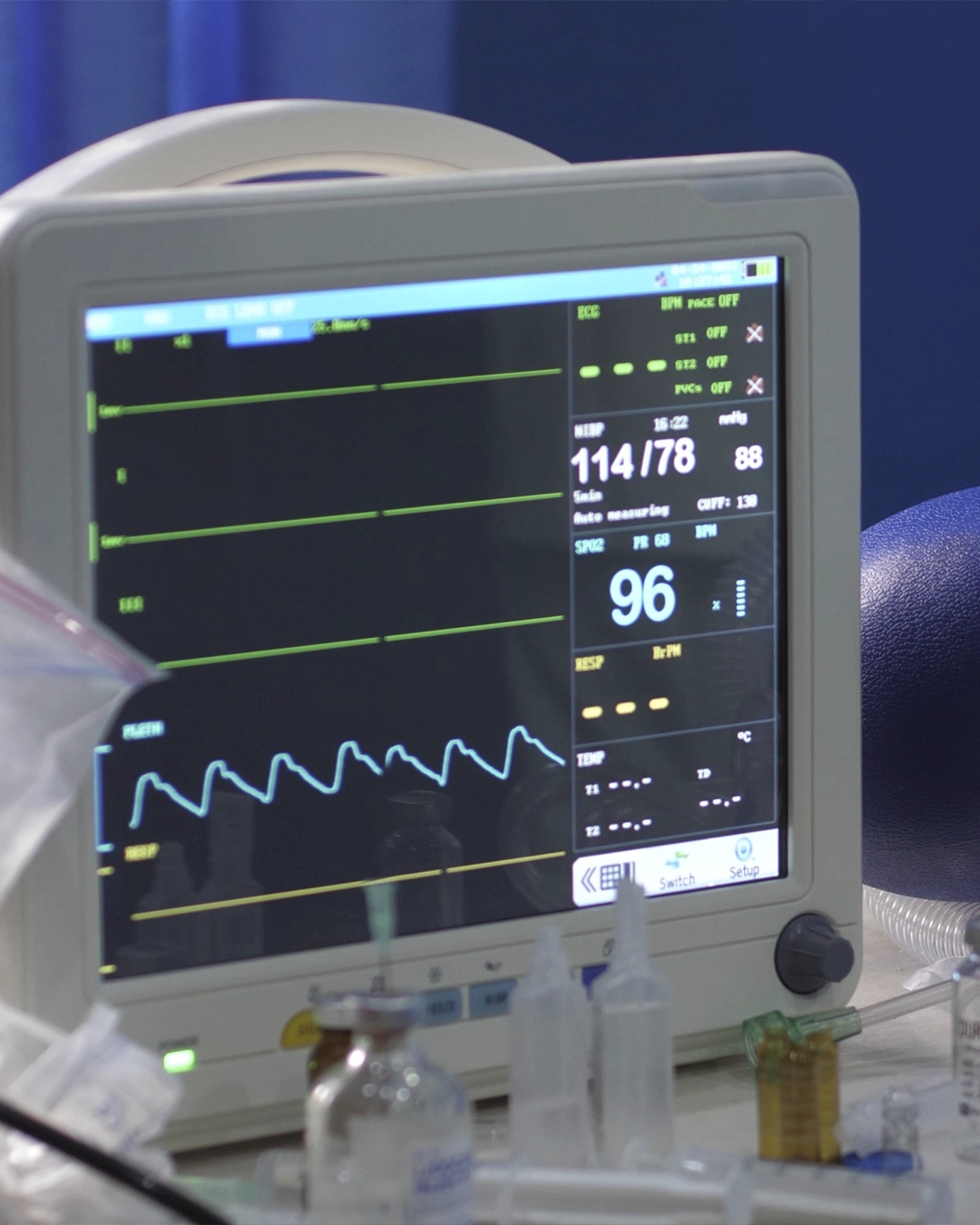

Patients with known or suspected heart disease may need ongoing care, regular monitoring, medication review, risk reduction, and testing guidance. Cardiology follow-up can help patients understand their condition and next steps.
Ongoing support for cardiovascular conditions.
Patients with prior diagnosis may need monitoring, medication review, or follow-up care.
New or worsening symptoms should be discussed with a medical professional.
Heart disease care often includes blood pressure, cholesterol, diabetes, lifestyle, and medication management.
If you are experiencing severe chest pain, sudden shortness of breath, fainting, stroke symptoms, or a medical emergency, call 911 immediately.
The doctor may review your diagnosis, current symptoms, medications, prior procedures, and recent testing.
Follow-up may include testing, symptom tracking, medication review, or periodic evaluation.
The goal is to help reduce future cardiovascular risk and support long-term heart health.
Follow-up helps monitor symptoms, treatment response, risk factors, and whether additional testing or care adjustments may be needed.
Yes. Managing risk factors such as blood pressure, cholesterol, diabetes, and lifestyle is often part of long-term heart disease care.
Call the office to request an appointment or ask whether this type of cardiology evaluation may be appropriate for your concern.