



01
Heart-related symptoms
Chest discomfort, shortness of breath, palpitations, dizziness, fatigue with activity, or abnormal cardiac results may require evaluation.
Comprehensive cardiology evaluations for symptoms, risk factors, abnormal results, prevention, and ongoing heart or vascular conditions.
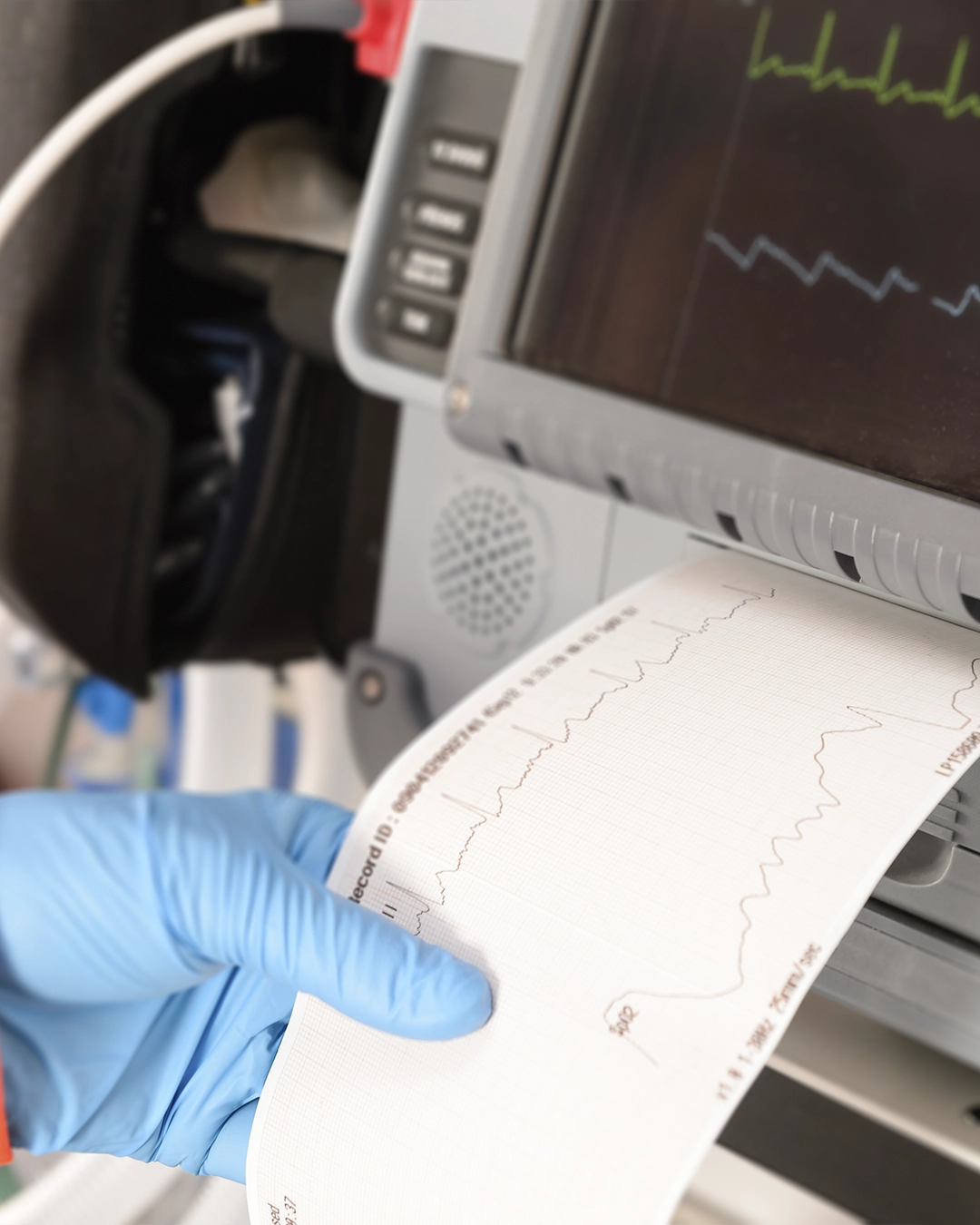
A comprehensive cardiology consultation helps patients understand symptoms, review risk factors, evaluate prior test results, and plan appropriate next steps for heart and vascular health.
Personalized heart and vascular evaluations.
Chest discomfort, shortness of breath, palpitations, dizziness, fatigue with activity, or abnormal cardiac results may require evaluation.
High blood pressure, cholesterol, diabetes, smoking history, and family history can affect long-term cardiovascular health.
Patients with existing cardiovascular conditions may need monitoring, medication review, diagnostic testing, or follow-up care.
If you are experiencing severe chest pain, sudden shortness of breath, fainting, stroke symptoms, or a medical emergency, call 911 immediately.
The visit may include a review of symptoms, medications, medical history, family history, and previous test results.
The care team may discuss possible causes, risk factors, and whether diagnostic testing or follow-up care is recommended.
Patients receive guidance on testing, treatment planning, prevention, or ongoing management when appropriate.
A consultation may include a review of symptoms, medical history, medications, risk factors, prior results, and recommendations for testing or treatment.
The best next step is to call the office and schedule a cardiology evaluation. The care team can help determine whether this service may be appropriate based on your symptoms, history, and prior test results.
Call the office to request an appointment or ask whether this type of cardiology evaluation may be appropriate for your concern.