

01
Chest discomfort or shortness of breath
Symptoms with activity may lead a cardiologist to recommend stress testing.
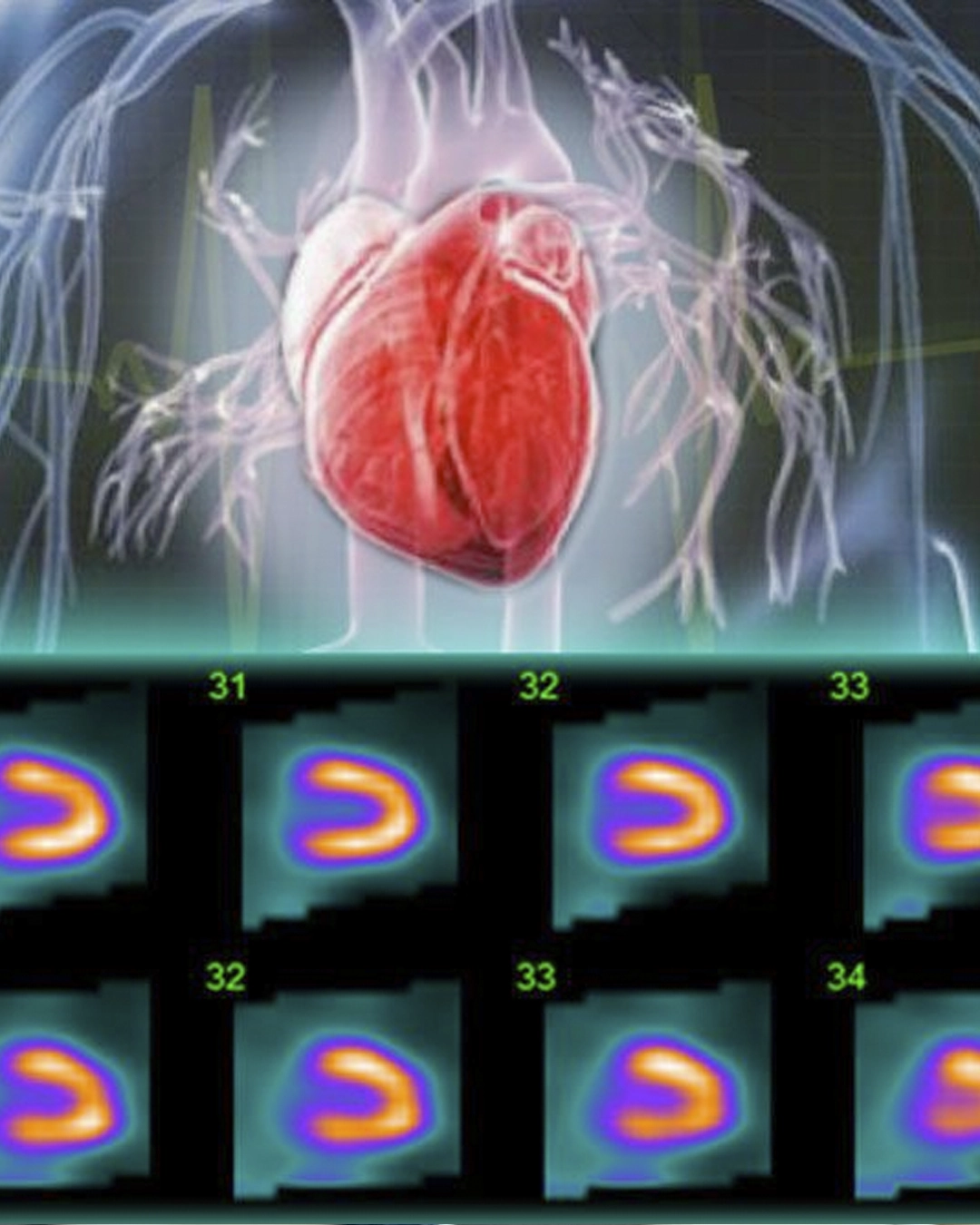
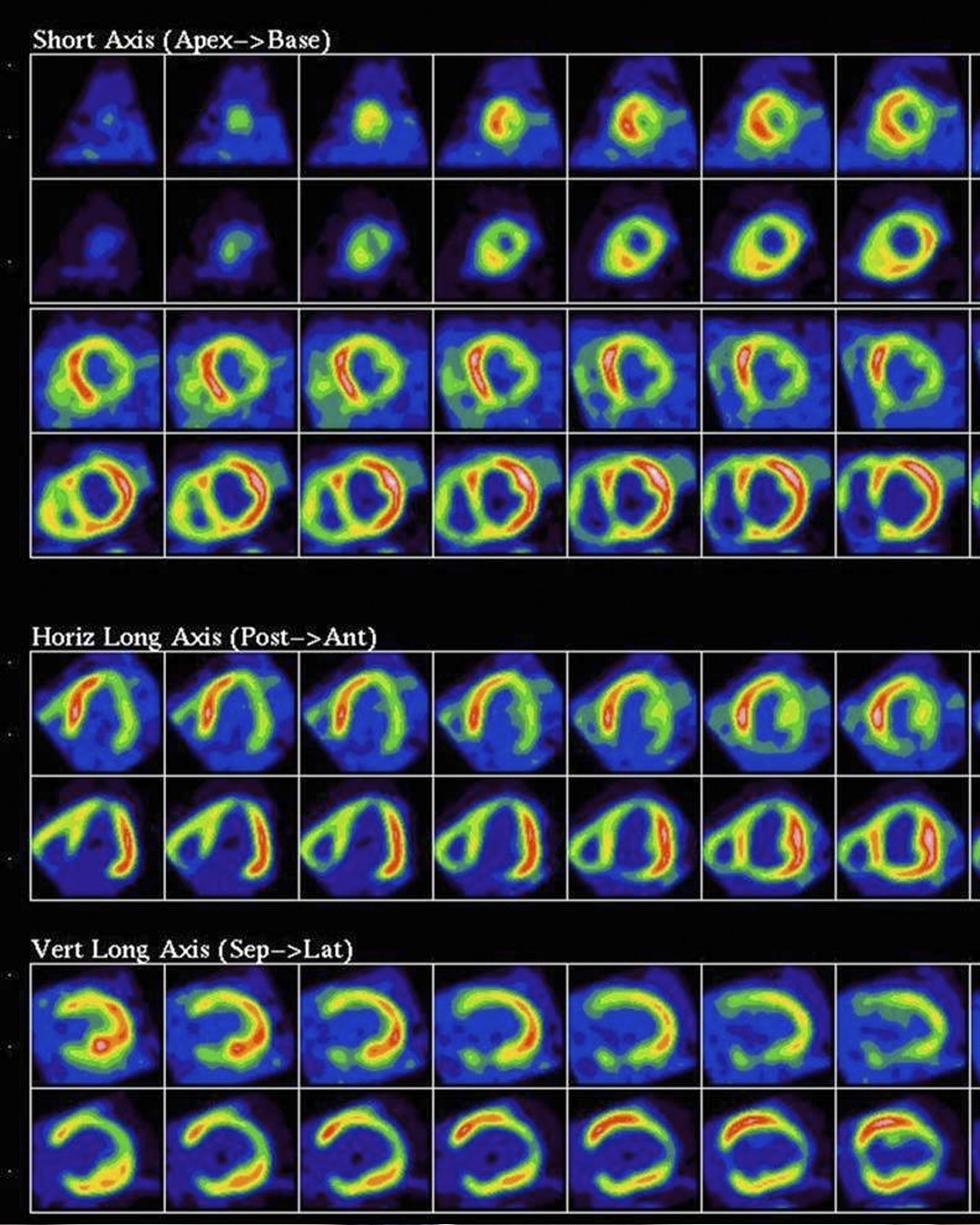
Advanced cardiac testing that helps evaluate blood flow to the heart muscle during stress and rest.
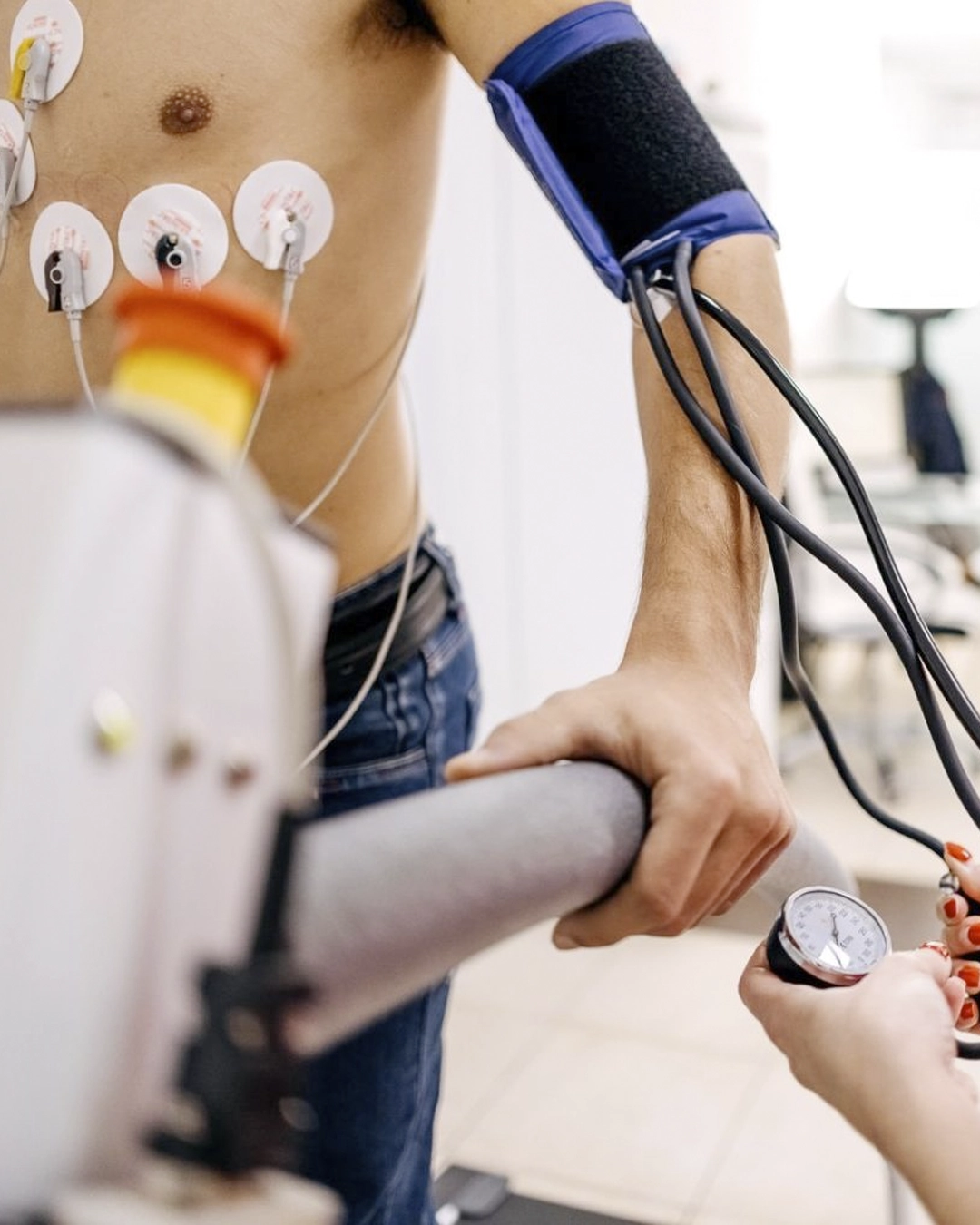
Nuclear stress testing may be used to evaluate how well blood flows to the heart muscle. It can help assess symptoms, possible coronary artery disease, and treatment planning when clinically appropriate.
Testing to assess blood flow to the heart.
Symptoms with activity may lead a cardiologist to recommend stress testing.
The test may help evaluate blood flow concerns related to the coronary arteries.
Results may help guide follow-up care, medication management, or additional testing.
If you are experiencing severe chest pain, sudden shortness of breath, fainting, stroke symptoms, or a medical emergency, call 911 immediately.
The test compares heart blood flow during stress and rest.
Specialized imaging helps the care team evaluate blood flow patterns.
The provider reviews results and discusses recommended next steps.
It may be ordered to evaluate symptoms, assess blood flow to the heart, or help determine whether additional testing or treatment is needed.
The best next step is to call the office and schedule a cardiology evaluation. The care team can help determine whether this service may be appropriate based on your symptoms, history, and prior test results.
Call the office to request an appointment or ask whether this type of cardiology evaluation may be appropriate for your concern.