

01
Symptoms or abnormal findings
Shortness of breath, chest discomfort, swelling, fatigue, heart murmurs, or abnormal test results may lead to an echocardiogram recommendation.
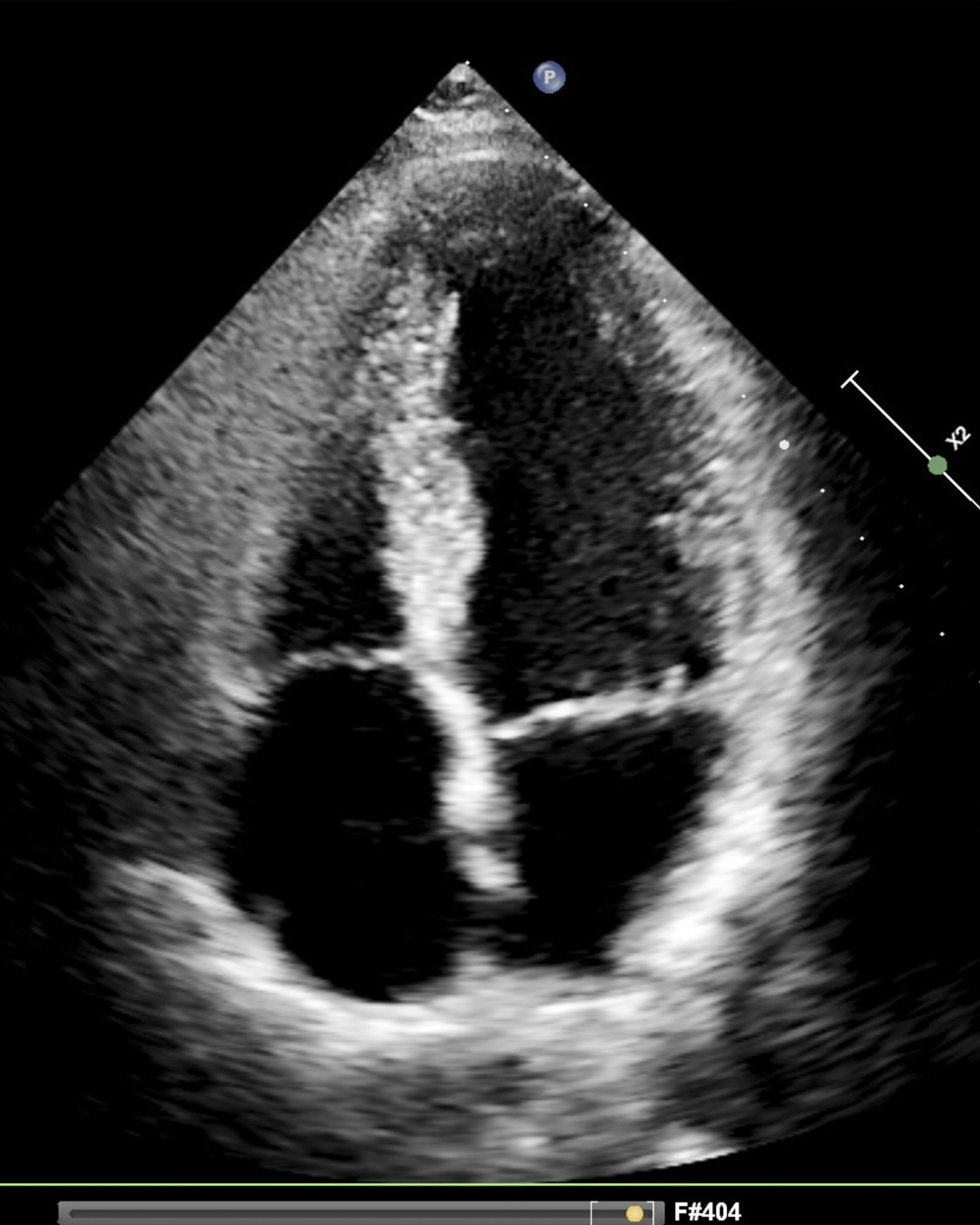
Non-invasive ultrasound testing used to evaluate heart structure, pumping function, valves, and other important cardiac findings.
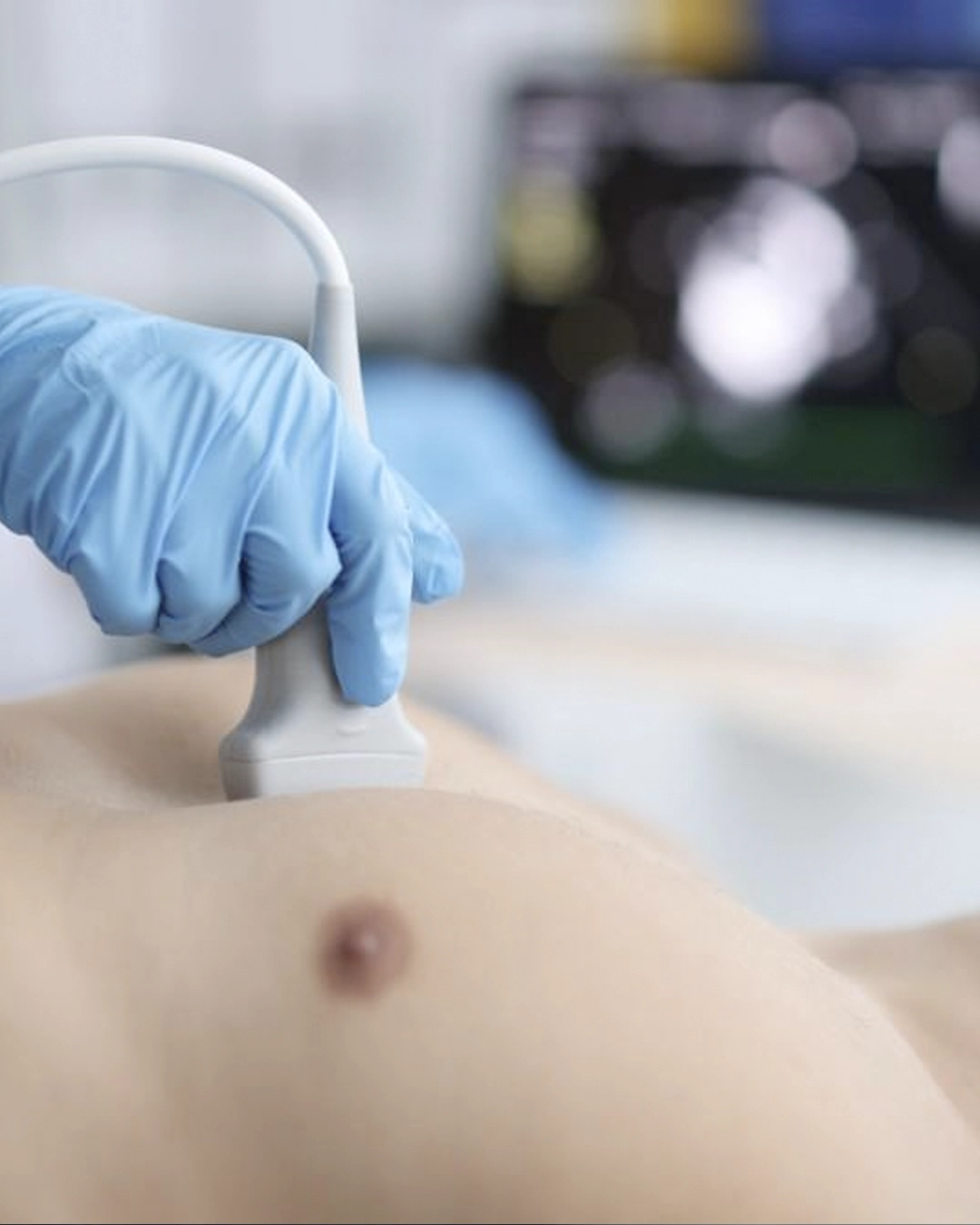
An echocardiogram uses ultrasound imaging to help evaluate how the heart is working. It may be recommended for symptoms, abnormal findings, heart murmurs, valve concerns, or ongoing cardiovascular monitoring.
Heart ultrasound testing for structure and function.
Shortness of breath, chest discomfort, swelling, fatigue, heart murmurs, or abnormal test results may lead to an echocardiogram recommendation.
The test can help assess heart valves, chamber size, pumping function, and other structural concerns.
Patients with known heart conditions may need echocardiograms to monitor changes over time.
If you are experiencing severe chest pain, sudden shortness of breath, fainting, stroke symptoms, or a medical emergency, call 911 immediately.
A technologist uses ultrasound to capture images of the heart from the chest area.
The test does not involve surgery and is commonly performed in an outpatient setting.
Results are reviewed to help guide diagnosis, monitoring, or treatment planning.
No. An EKG records the heart’s electrical activity, while an echocardiogram uses ultrasound images to evaluate heart structure and function.
The best next step is to call the office and schedule a cardiology evaluation. The care team can help determine whether this service may be appropriate based on your symptoms, history, and prior test results.
Call the office to request an appointment or ask whether this type of cardiology evaluation may be appropriate for your concern.