

01
Palpitations or skipped beats
Intermittent rhythm symptoms may need longer monitoring.
Heart rhythm monitoring used to evaluate intermittent symptoms such as palpitations, skipped beats, dizziness, or possible arrhythmias.
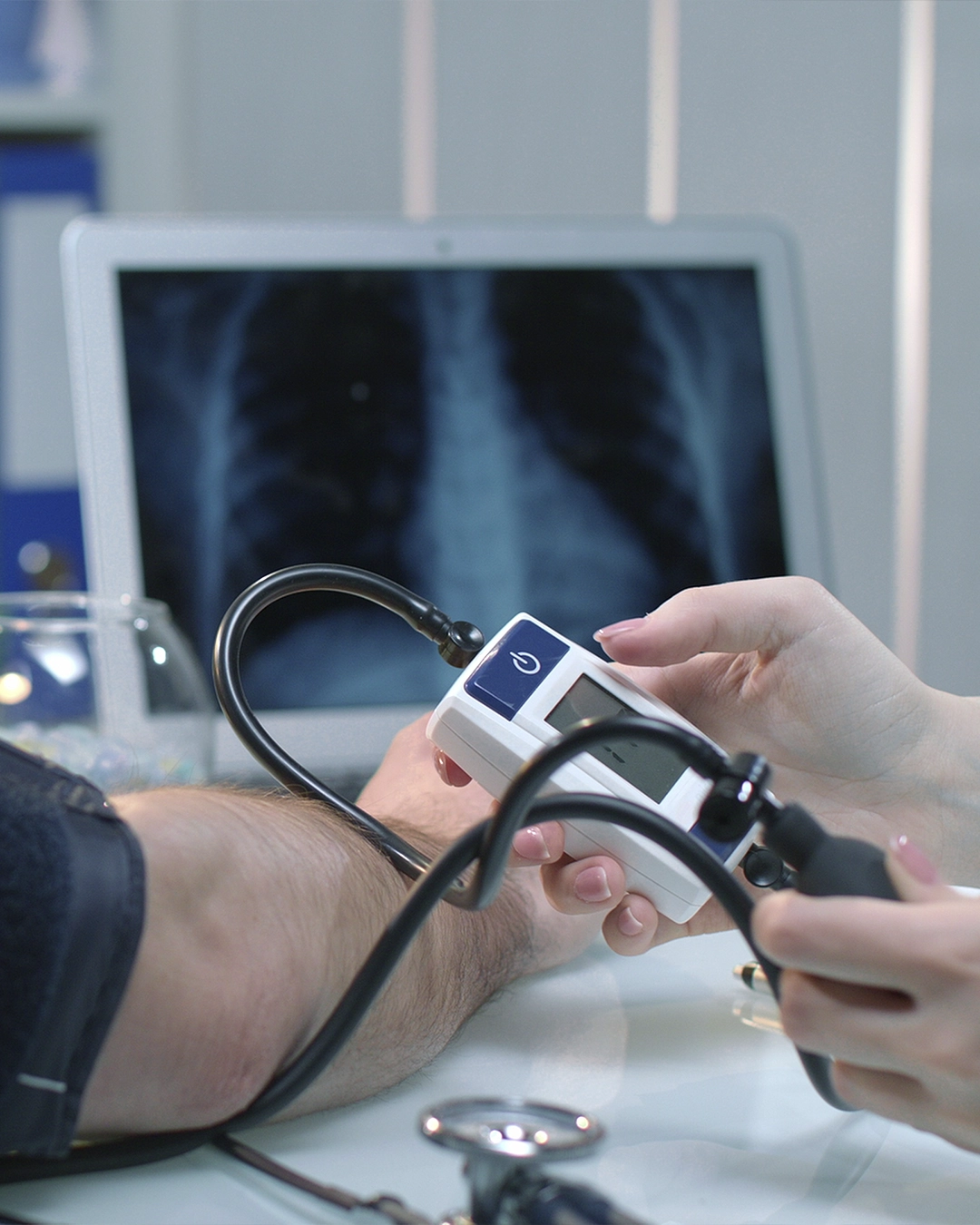
An event monitor helps record heart rhythm information over time, especially when symptoms do not happen during a short office visit or standard EKG.
Heart rhythm monitoring for intermittent symptoms.
Intermittent rhythm symptoms may need longer monitoring.
Rhythm monitoring may help evaluate symptoms that come and go.
An event monitor may help capture rhythm changes for provider review.
If you are experiencing severe chest pain, sudden shortness of breath, fainting, stroke symptoms, or a medical emergency, call 911 immediately.
The monitor records rhythm information over a period of time.
The goal is to help connect symptoms with rhythm findings when possible.
The provider reviews recorded information and discusses next steps.
An EKG records a short moment in time. An event monitor can record rhythm information over a longer period, which may help evaluate intermittent symptoms.
The best next step is to call the office and schedule a cardiology evaluation. The care team can help determine whether this service may be appropriate based on your symptoms, history, and prior test results.
Call the office to request an appointment or ask whether this type of cardiology evaluation may be appropriate for your concern.